Roof Inspection Services Ventura
Want a reliable Ventura roofing specialist? Pick a properly certified contractor who understands coastal challenges like salt air and wind, utilizes marine-grade fasteners, SBS shingles, and corrosion-resistant flashings, and checks appropriate attic ventilation. Expect a detailed photographed inspection, thorough moisture assessment for each slope, and transparent options: repair versus partial replacement. Insist on Title 24/code compliance, HOA clearance, itemized estimates, and written warranties for materials and workmanship. Steer clear of pressure sales and ambiguous quotes. We'll also show you how appropriate timelines, clear communication, and scheduled maintenance ensure your roof functioning effectively.
Essential Takeaways
- Local roofing professionals in Ventura using high-grade marine fasteners, corrosion-resistant flashings, and SBS shingles tailored for seaside environments featuring wind, salt air, and storms.
- In-depth assessments of roofing components, ventilation systems, and drainage, complete with detailed documentation, images, and priority recommendations.
- Our repair solutions encompass specific repairs to partial roof renovations, determined through thorough analysis with moisture detection, adhesion testing, and detailed slope analysis.
- A transparent process featuring itemized pricing, project schedules, regular photography documentation, guarantee documentation, and thorough site cleanup.
- Full adherence with Ventura building codes, California Code, Title 24, WUI standards, and HOA approvals to protect warranty coverage and future sales.
The Importance of Local Knowledge in Ventura's Coastal Environment
Though many roofers install shingles, an experienced Ventura contractor understands how coastal conditions, marine air, morning fog, and winter weather impact roofing systems here. You must have specifications designed for salt exposure and relentless coastal corrosion. A local expert selects marine-grade fasteners, SBS-modified shingles, and corrosion-resistant flashings, then adjusts underlayments to resist wind uplift and moisture intrusion. They customize roofing transitions and terminations to stop capillary action, and they create airflow to balance humidity from marine layers without reducing thermal performance.
You'll receive care programs that neutralize salt films, schedule rinses after wind events, and inspect sealants that fail faster near the coast. When repairs are needed, they phase work around tides, morning fog, and onshore winds to guarantee materials cure and adhere appropriately.
Warning Signs Your Roof Requires Professional Inspection Immediately
You should treat ongoing roof leaks, visible depressions, and widespread shingle issues as immediate warning signs. Look for water marks after rainfall, uneven surfaces, soft spots in decking, and warped or displaced shingles, plus granule accumulation in your gutters. Upon discovering these problems, get a professional inspection scheduled to isolate the source, prevent structural damage, and map out targeted repairs.
Ongoing Roof Leakage
Sometimes a roof leak appears as more than a drip-it forms a pattern. When you notice stains spreading, paint bubbling, or ceiling discoloration after storms, you're dealing with ongoing leaks rather than isolated incidents. Inspect the attic for moisture, musty smells, and wet insulation-these signs indicate water moving along roof supports. Outside, examine flashing conditions at chimneys, skylights, and wall intersections; cracked or lifted metal components permit water infiltration beneath shingles.
Don't delay. Map out the leak spots, then schedule a thorough inspection incorporating moisture mapping, precise hose testing, and an assessment of roofing layers and openings. A certified Ventura roofing specialist will reseal or upgrade failing flashing, fix shingle sections, and tackle ventilation issues causing condensation. Quick, precise repairs prevent mold, damaged insulation, and escalating interior damage.
Surface Depressions
When you notice a roofline that bows, dips between rafters, or shows a wavy ridge, it's an urgent structural red flag that needs immediate assessment. You're likely witnessing structural weakness due to framing overload, rafters that are too small, excessive spanning, or sheathing weakened by moisture. Inadequate attic airflow compounds these problems by preventing proper air circulation, leading to accelerated wood rot and fastener corrosion.
Take immediate action. Schedule a comprehensive inspection to check load paths, evaluate deflection, and inspect sheathing, ridge, and truss connections. A skilled Ventura roofing team can shore framing, support rafters, incorporate purlins, or mount ridge beams where calculations require. They'll upgrade compromised decking, fix ponding areas, and restore uniform plane. Lastly, improve attic ventilation with balanced intake and exhaust to stabilize temperatures and reduce moisture. Timely repairs safeguard your home, insurance standing, and resale value.
Understanding Shingle Damage Spread
While individual shingle blemishes might seem minor, recurring signs of shingle problems point to escalating concerns requiring prompt action. When damage continues to spread, water infiltration paths increase, wind resistance decreases, and the protective underlayment begins to fail.
Check for obvious progression: loose granules leading to exposed areas, edges curling at eaves and rakes, splitting tabs near fasteners, and lifted sections resulting from sealant failure. Dark streaks can indicate moisture penetration, while mushy sections signal waterlogged decking. If you find shingles misaligned after strong winds, the adhesive strip has typically weakened, increasing the chance of blow-offs.
Take action now. Survey and record compromised areas on slopes, valleys, and roof penetrations. We'll conduct a comprehensive evaluation of each slope, check adhesion levels, inspect flashing conditions, and locate moisture entry points. Afterward, we will address ongoing leaks, replace compromised shingles, restore proper sealing, and suggest specific areas for replacement prior to structural damage occurring.
What Happens During a Complete Roof Inspection
Commence with a structured approach: a thorough roof inspection starts with an end-to-end assessment of structural integrity, safety protocols, and environmental impact. We'll secure ladders, verify anchorage points, and document conditions before stepping onto the roof. We perform a systematic inspection: we evaluate shingle conditions, flashing integrity, penetration points, and ridge cap status, noting weather impact, sun exposure damage, and loose fasteners.
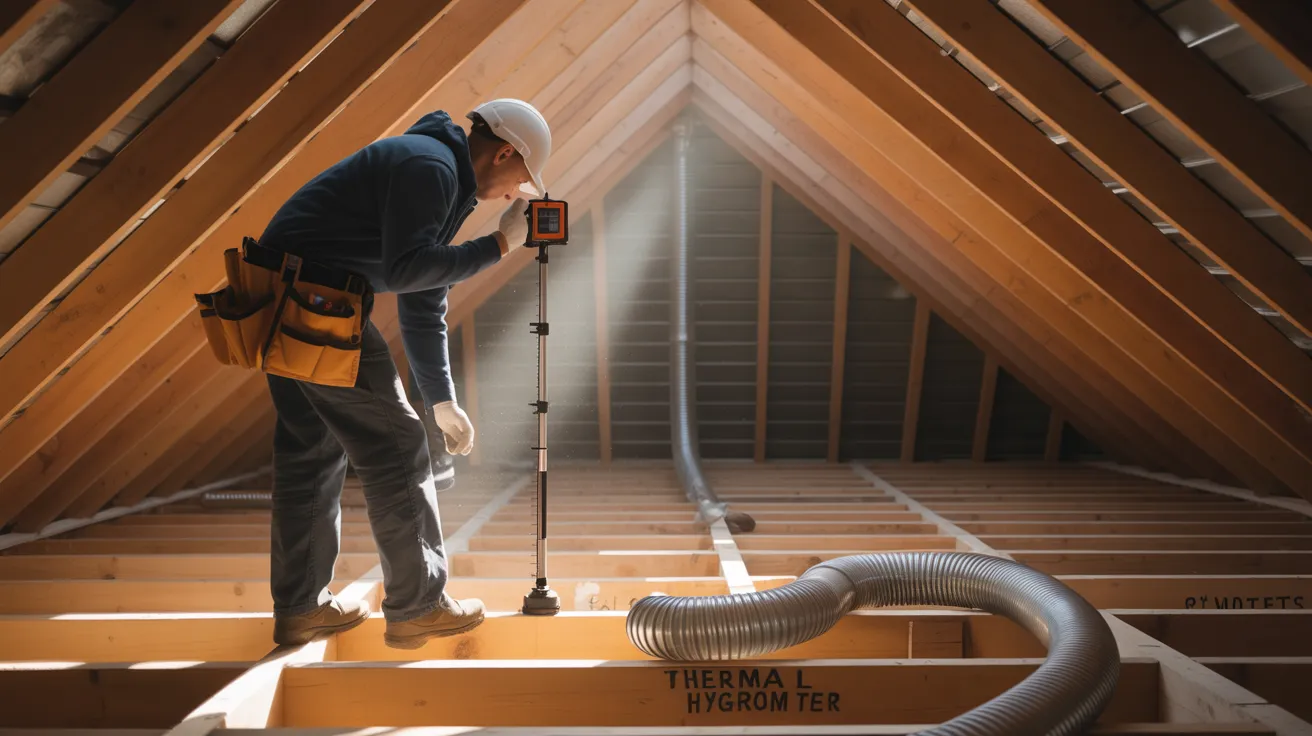
We begin by examining attic ventilation to verify adequate intake and exhaust, preventing moisture and temperature issues. We perform humidity detection to locate moisture problems, carefully scanning structural components and materials for hidden damage. Water management components are assessed for proper slope and blockages. We document all findings with photos and mark priority concerns. We complete the inspection by discussing necessary steps and urgent concerns so you understand the path forward.
Evaluating Repair Options and Material Choices
You'll assess a targeted patch versus a partial replacement by comparing the leak's location, deck state, and roof lifespan. Next, you'll choose building materials - shingles, tile, or metal - based on wind resistance, durability in coastal areas, weight capacity, and total cost over time. I'll outline when each option makes sense to ensure structural protection, cost efficiency, and maximum lifespan.
Comparing Patches and Partial Replacements
As roof issues arise, determine quickly whether a specific patch will suffice or if sectional replacement delivers superior results and durability. You must evaluate leak location, moisture mapping, roofing deck status, and condition of adjacent sections. Emergency fixes can immediately address ongoing water infiltration, safeguard interiors, and provide time for thorough assessment and coverage negotiations. Select a patch when damage is contained, the roofing material is young, and structural elements remain solid.
Consider partial replacement when assessment indicates moisture-compromised materials, brittle surfaces, or repeated failures along a plane. Installing an full surface area ensures uniform protection, warranty eligibility, and long-term watertightness. Verify ventilation and material transitions during the installation. Record images, test samples, and maintenance records to validate warranties and secure fair coverage.
Roofing Materials: Shingles, Tile, and Metal
Upon deciding whether a patch or partial replacement is appropriate, the next consideration involves materials: shingles, tile, or metal—each providing unique repair methods, pricing, and performance characteristics. Opt for asphalt shingles for quick, budget-friendly repairs; we replace lifted tabs, repair penetrations, and coordinate granule colors for invisible fixes. Tile works best with Mediterranean homes; we replace broken pieces, renew underlayment, and check battens to handle wind uplift. Metal delivers outstanding resilience and energy efficiency; we restore affected panels, reinforce seams, and apply appropriate coatings to prevent maritime weathering.
Along Ventura's marine coastline, you must use corrosion-resistant fasteners and flashing. Make sure to analyze weight requirements, flame resistance ratings, and attic airflow requirements. Compare long-term operational costs, rather than only upfront costs. We're going to detail your choices, plan maintenance schedules, and arrange maintenance with your schedule and favorable weather periods.
Understanding Building Permits, Local Codes, and HOA Guidelines
Prior to choosing shingles, factor in Ventura's permitting process, California Building Code (CBC) standards, Title 24 energy guidelines, and any homeowners association rules that govern roof products, colors, underlayments, and profiles. You'll avoid delays by confirming permit timelines with the city and determining whether your work requires structural, sheathing, or electrical reviews. Review recent code changes affecting cool-roof ratings, attic ventilation, and wildfire-resistant assemblies (WUI). Title 24 may necessitate reflective roofing, specific insulation values, and proper compliance forms.
Contact your HOA well in advance for formal authorization. Send in technical documentation, color specifications, and ridge/edge details to match community guidelines. Keep manufacturer listings, Class A fire ratings, and underlayment specs on hand. Schedule required inspections, maintain site access, and preserve final approvals to safeguard warranties and property value.
How Professional Roofers Calculate Repair Costs and Create Estimates
To ensure transparent pricing, reputable Ventura roofers build comprehensive repair quotes: they evaluate the roof through physical inspection, capture defects with photos, and quantify labor, materials, disposal, access, and permits line by line. You'll get itemized material costs for underlayment, shingles, fasteners, flashing, and sealants matched to manufacturer specs. Labor rates incorporate safety requirements, crew size, hours needed, and complexity, not vague ranges. Expert roofers specify visit fees for diagnostics, then deduct them if you proceed. They explain markup policies that include scheduling, insurance, procurement, and overhead, keeping percentages consistent across line items. Access difficulties-steep slopes, multi-story lifts, or limited staging-are specifically calculated. You'll also get contingencies for hidden deck damage, change-order steps, and a target start date.
Warranties, Guarantees, and What They Really Cover
Although a fresh roof should deliver decades of service, the coverage you actually get is determined by the fine print of its warranties and guarantees. You typically have two components: a manufacturer's warranty and a contractor guarantee. The manufacturer warranty safeguards against defects in roofing products and materials-usually on a depreciated basis-assuming they were installed correctly and properly ventilated. It excludes weather-related damage, walking damage, or poor maintenance.
The workmanship guarantee covers installation defects such as flashing details, fastening, sealing, and connection points. Make sure to verify the term length, whether it can be transferred, and if internal damage repairs are included. It's important to understand who handles service calls, how quickly they respond, and how to submit warranty claims. Be clear about necessary upkeep requirements and paperwork required to maintain valid coverage. By getting clear written terms, you'll have clarity on who's responsible for fixes, when work gets done, and payment obligations.
Important Warning Signals When Assessing Roofing Contractors
Prior to signing any agreement, scan for concerning indicators of risk: no valid license or insurance documentation, unclear or simplified proposals missing important specifications, pushy selling techniques like limited-time offers, and requirements for significant advance funds. Be certain to validate the contractor's credentials with California's CSLB and require insurance certificates naming you as an added insured party. Don't accept rushed estimates that bypass site evaluation or omit essential elements like tear-off, underlayment, flashing, and ventilation. Request a detailed proposal website that clearly outlines all components and pricing to eliminate surprise fees. Stay alert to contractors with out-of-state plates, lack of community presence, or reluctance to follow permit procedures. Confirm the inclusion of formal amendment protocols, waiver of lien provisions, and specific point person before giving the go-ahead.
Steps to a Smooth Repair Timeline From Start to Finish
Initiate by aligning project scope, timeline, and team members so each stage progresses smoothly. Define the problem, verify resources, and secure location entry. Establish project checkpoints: assessment, budget approval, permissions, material procurement, demolition, base repairs, implementation, task verification, and closing review. Assign owners to each task so responsibilities are defined.
Implement project communication points. Launch with a kickoff call to establish expectations, arrange a pre-construction meeting to discuss safety and logistics, and deliver daily updates concerning weather, crew status, and progress photos. Document change orders right away, documenting impacts on cost and time. Organize trades and dumpsters to prevent bottlenecks. Include weather contingencies into the calendar, and keep backup materials on standby.
Complete by providing a comprehensive punch list, warranty documentation transfer, and a final confirmation of site cleaning and payment processing.
Key Tips for Prolonging Your Roof's Durability
Implement a regular inspection program-every six months and after severe weather-to spot damaged roofing, raised flashing, or deteriorating sections before they worsen. Clean gutters and downspouts free of debris, and clear away roof debris to avoid water pooling, fascia deterioration, and premature membrane deterioration. Log each check and clearing so you can schedule repairs and allocate funds proactively.
Scheduled Inspection Timeline
Consistent roofing checkups stop simple concerns from developing into expensive repairs and maximize your system's service life. Establish a maintenance plan for twice-yearly checkups-the first in spring's end and a follow-up in the fall season-considering Ventura's marine layer, sun exposure, and Santa Ana winds. During each checkup, assess shingle condition, weatherproofing, openings (vents, skylights), attachments, and attic ventilation. Evaluate underlayment condition at critical junctions, and identify sun-related deterioration, uplift damage, or soft decking. Arrange an quick focused assessment after severe weather or trades accessing the roof. Document findings with photographs, log repair history, and follow material warranties for proper records. If you detect ongoing issues, book a professional evaluation to discover hidden moisture damage or structural shifts before they worsen.
Debris and Gutter Maintenance
Frequently neglected, unobstructed gutters and clean roof areas are your first defense against moisture problems, wood rot, and shortened shingle life in Ventura's coastal climate. Salt air and wind push debris into valleys and gutters, where standing water backs up under shingles. You can avoid problems by cleaning out accumulated vegetation and debris quarterly and post-storm.
Install leaf guards to reduce clogging without stopping routine monitoring. Verify downspouts drain correctly; add downspout extensions to guide water 4-6 feet from the foundation. Tighten loose hangers, realign sagging runs for proper flow, and fix leaking seams. Prune overhanging branches to limit debris and abrasion. Flush gutters and downspouts with a hose to verify unobstructed flow. Note conditions, and arrange professional service for difficult or complex roofs.
Popular Questions
Are Emergency Tarp-Over Services Available Following Storms or Leaks?
Yes, we provide emergency tarp-over services following storm damage or leaks. We provide quick assistance, detailed evaluation, and reliable protective covers to stop active water intrusion. We install emergency protective materials around penetrations, valleys, and damaged shingles, then fasten edges to resist wind uplift. We record damage, photograph affected areas, and detail next steps for permanent repairs. We provide precise schedules, material options, and financial projections, keeping your property secure until complete repairs are finished.
Do You Handle Insurance Claim Documentation With Adjusters?
Indeed - we'll work directly with your insurance adjuster to simplify the claims process and insurance paperwork. Our efficiency is unmatched. You provide authorization, provide your policy details, and we arrange an onsite inspection with the adjuster. We deliver photo evidence, measurement reports, repair scopes, and comprehensive estimates aligned to copyright guidelines. We'll track approvals, explain requirements, and keep you updated to maintain claim accuracy, timeliness, and complete documentation.
What Are the Available Payment and Financing Options for Repairs?
You can choose flexible payment plans featuring low APR options, short- or long-term terms, and simple online approvals. Additionally, we offer Deferred Payments, so you can start work now and pay after completion or during the promotional timeframe. We provide upfront pricing, zero early payment fees, and diverse payment options (credit, ACH, checks). We'll package all services and fees into a single payment plan and coordinate timing with your insurance disbursements for efficient payment processing.
How Do You Minimize Noise and Debris Around Pets and Children?
We reduce disruption and mess by planning zones and schedules. Imagine this: during a roofing project, you keep pets and children secure in a quiet room, use dust containment barriers at entries, and operate negative-air scrubbers. You stage materials separate from living areas, implement soft-drop protocols, and limit hammering to times between naps. We protect vents, seal returns, and conduct magnetic cleaning during each break. We send daily progress messages so you can adapt daily activities and maintain safety.
Do You Offer Drone Inspections or Infrared Scans for Hidden Leaks?
Yes. You can request Drone inspections and Infrared scans to identify challenging leaks quickly and safely. Drones capture precise imagery over roof structures and challenging areas without walking on the roof. Infrared imaging identify hidden moisture by measuring temperature variations beneath surface materials. You'll receive a detailed analysis with visual documentation, then validate fixes with a follow-up scan, limiting uncertainty and expenses while delivering permanent, professional fixes.
Key Takeaways
You've seen how local expertise, comprehensive inspections, smart material choices, and complete permits ensure Ventura roofs prepared against coastal wear. Don't wait for leaks to shout; handle repairs early. Research contractors, require written warranties, and set a realistic timeline to eliminate surprises. With regular maintenance, your roof will be cost-effective-it'll be a fortress. Contact a trusted Ventura roofer today, obtain a detailed plan, and lock in long-lasting, code-compliant repairs that secure your home for years.